La Colaboradora: A Community That Continues to Create
ByTrama on
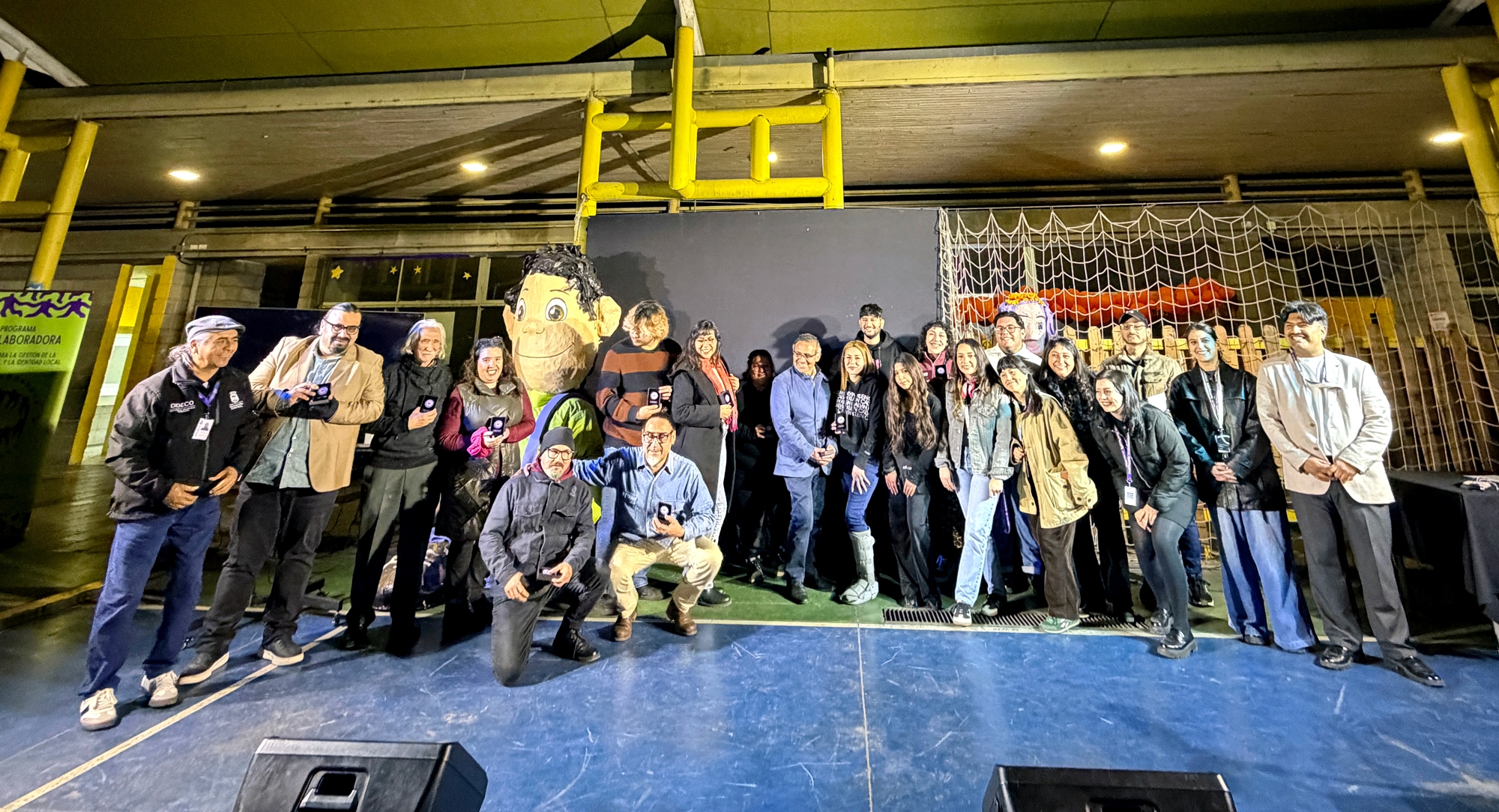
The completion of “La Colaboradora: Collective for Cultural Offer Management and Local Identity” in the Los Nogales neighborhood (población), Estación Central, resulted in the consolidation of an autonomous management system in the hands of its own residents.
At Trama, we drove the project as a community-based cultural management process in Los Nogales, aimed at recognizing, connecting, and activating the creative force already living within the territory. Through the establishment of a Collaborative Board (Mesa Colaboradora) and three core pillars—Create, Share, and Connect—we accompanied residents and local collectives in the design, training, and management of their own initiatives, recovering neighborhood memory and revitalizing the use of shared spaces with a clear focus on sustainability.
This territorial deployment was carried out with funding from the Neighborhood Revitalization and Emblematic Heritage Infrastructure Program (PRBIPE – SUBDERE), in collaboration with the Municipality of Estación Central. Together, we consolidated a human and diagnostic baseline capable of projecting the cultural ecosystem of Los Nogales over the long term. Executed by Trama in partnership with Sociodinámica, the core purpose of this initiative was to articulate the local associative fabric, highlight the historical memory of the sector, and install technical and methodological capacities so that residents and organizations can decide on and execute their own cultural agenda.
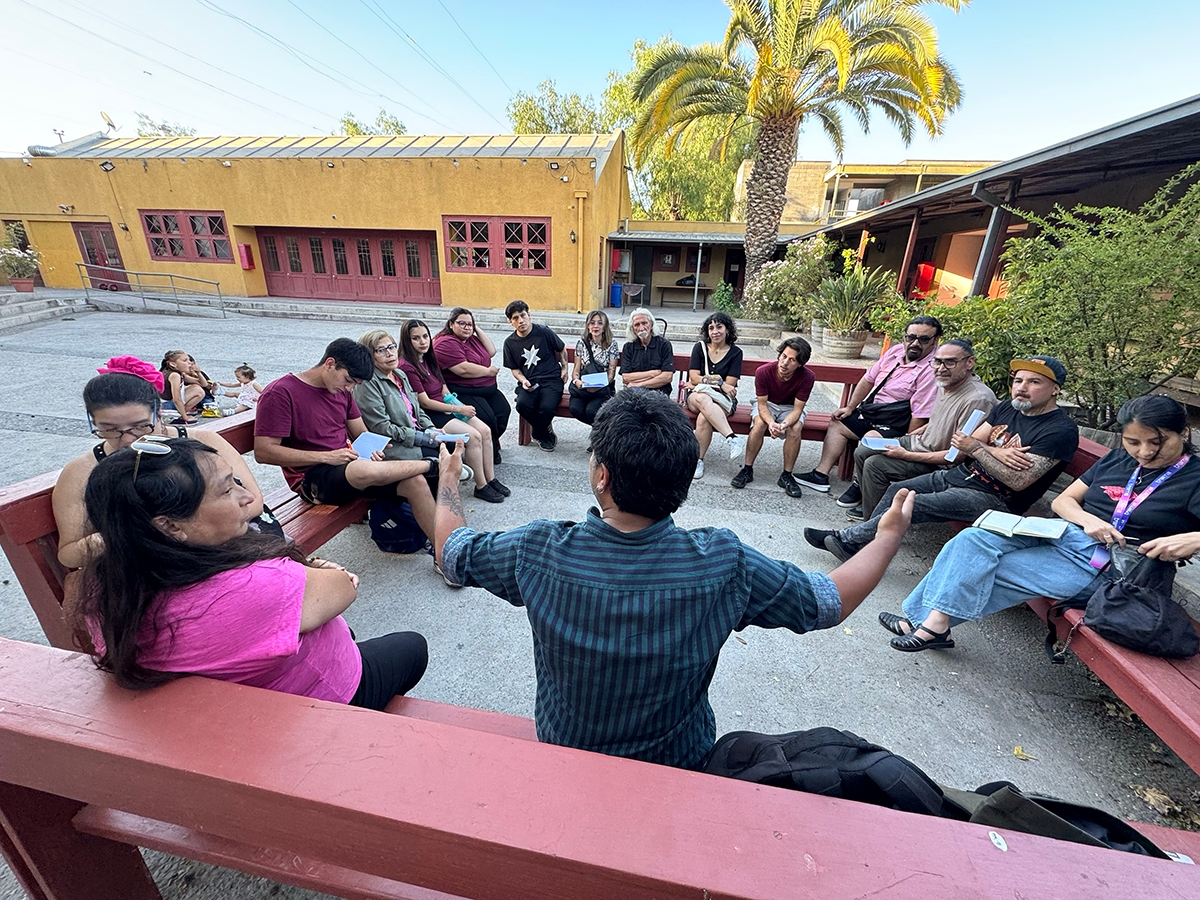
Based on an initial diagnostic that brought together 33 local organizations—including sports clubs, resident groups, cultural agents, youth collectives, and neighborhood associations with varying trajectories and expectations—the intervention structured a permanent local governance body: the Collaborative Board (Mesa Colaboradora). Composed of 12 local representatives, this body deliberated and co-managed public resources through regular sessions, transitioning from a consultative role to effective decision-making power over the neighborhood's cultural programming.
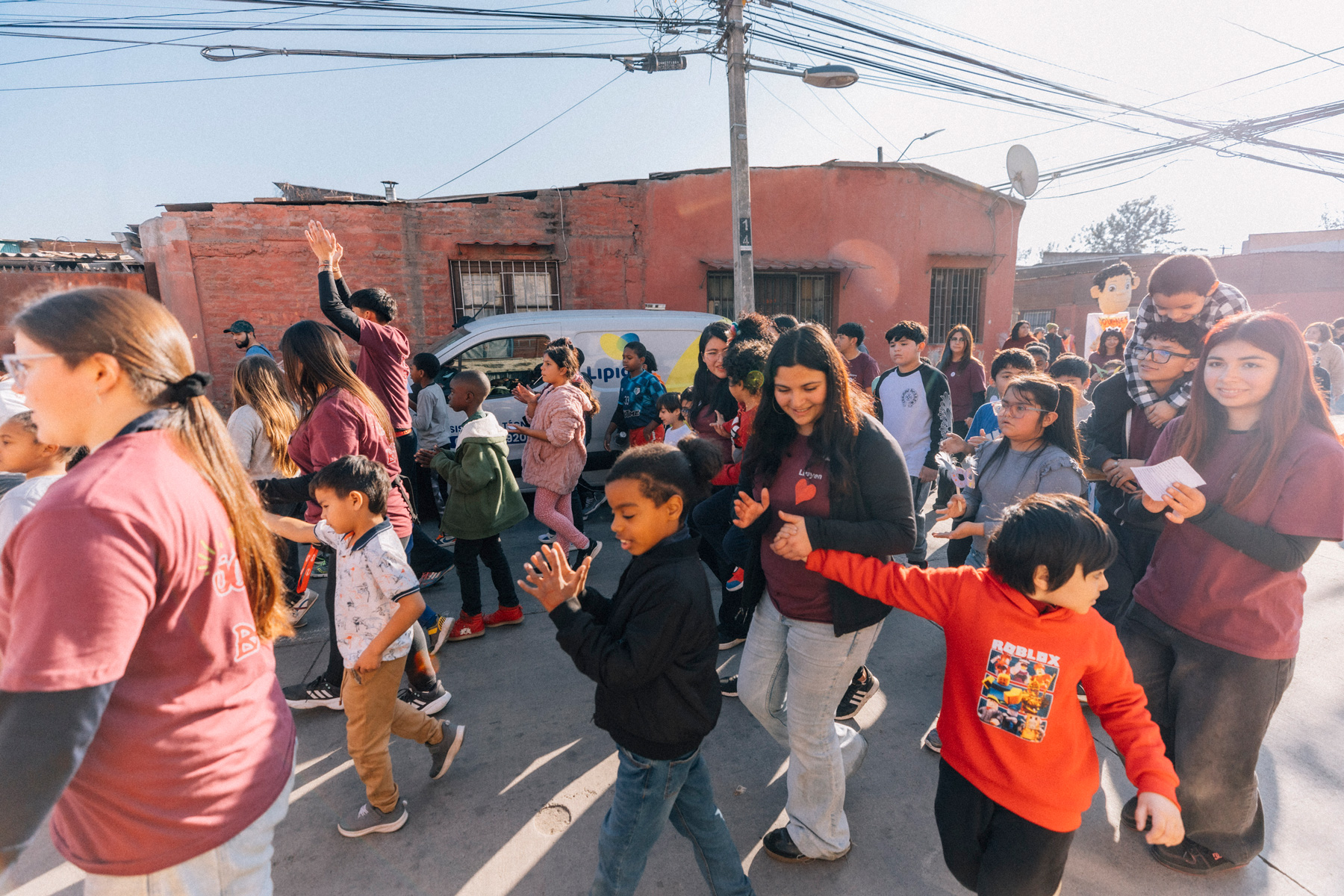
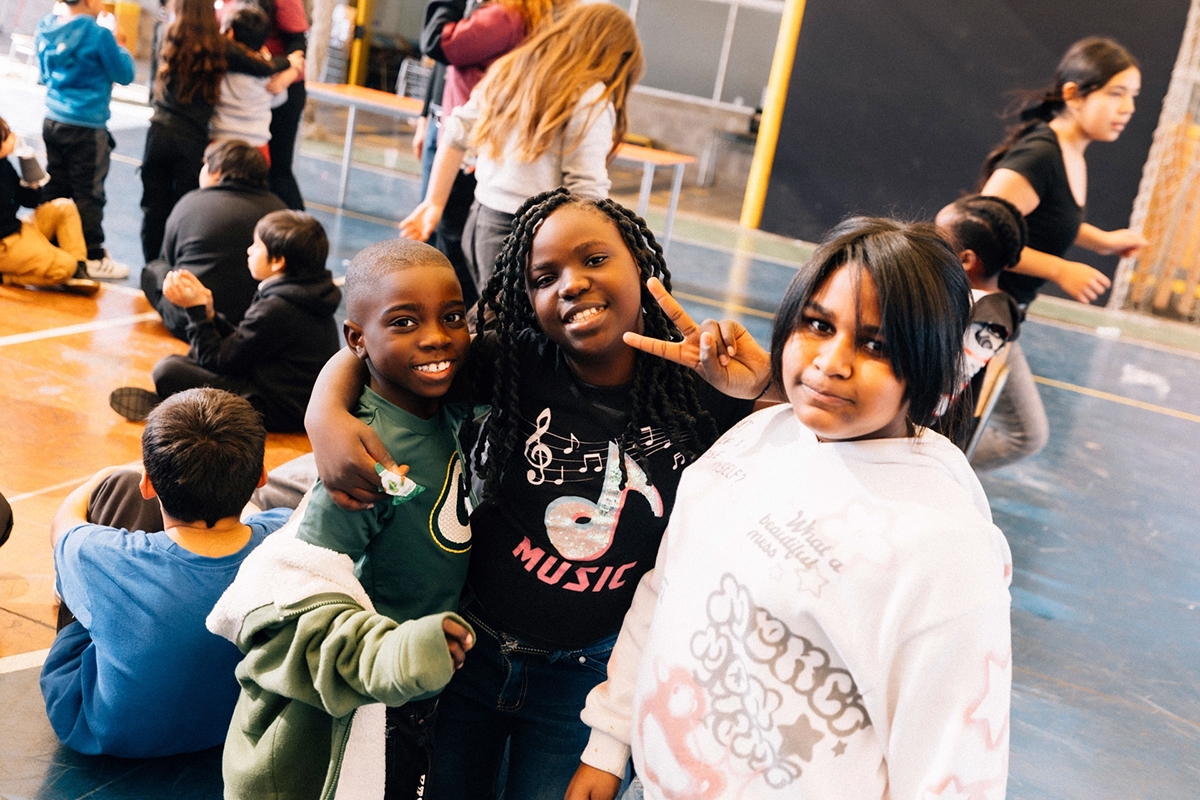
The neighborhood's response resulted in a living, active network: throughout the process, 12 local cultural agents were engaged and 11 workshops were delivered through the Neighborhood Academy (Academia de Barrio), attracting over 100 registered participants and certifying 56 of them. This momentum was further bolstered by 10 residents certified in the Grassroots Training Cycle (Ciclo Formativo Popular), 19 accredited local instructors and producers, and the execution of 8 community cultural milestones that filled the streets with art and connection through the La Colaboradora Cultural Calendar.
The Beginning of the Process
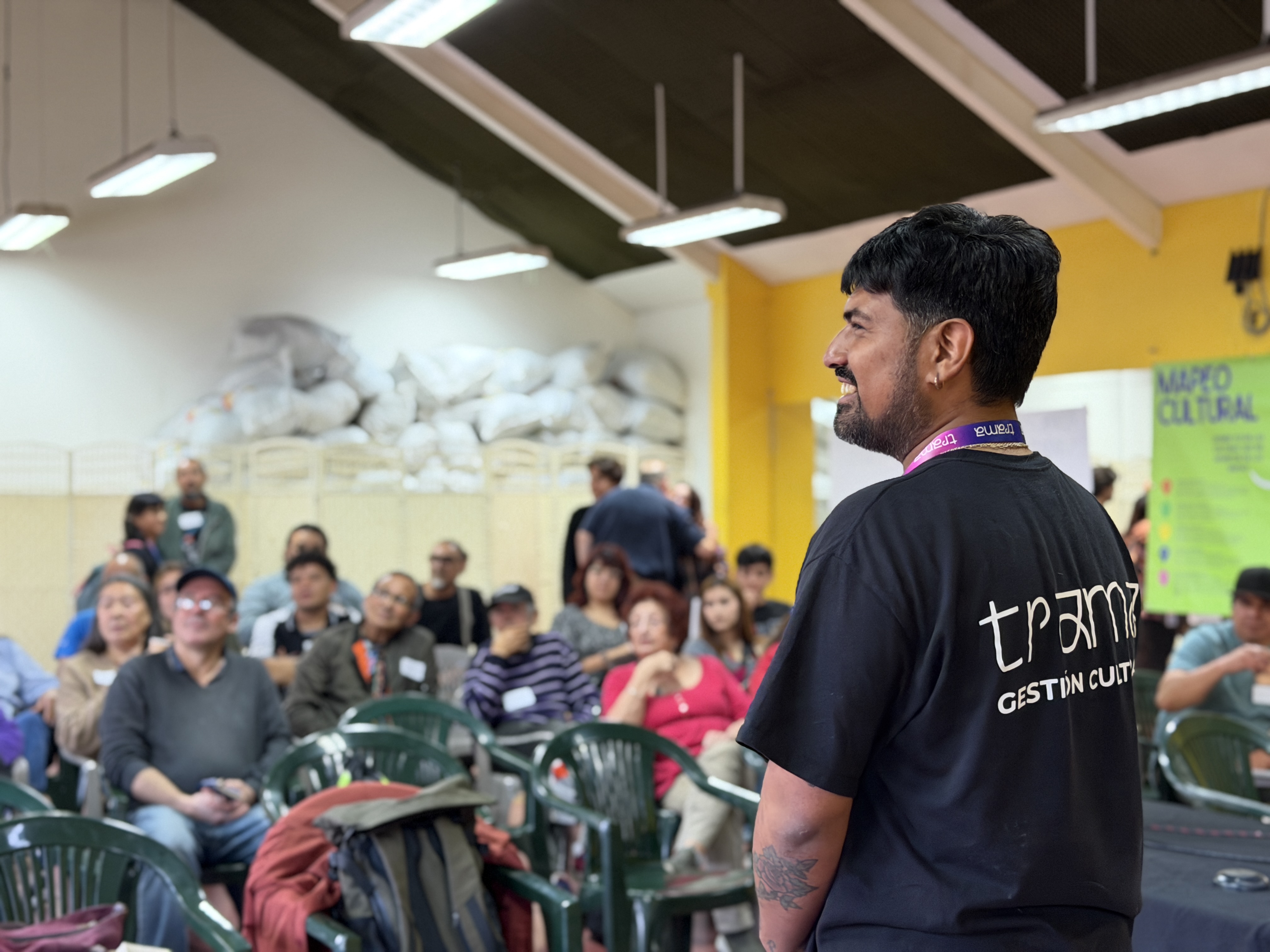
Entering Los Nogales required sustained work to overcome organizational fragmentation and the natural distrust often generated by external institutional interventions. Fernanda Bisbal, Operations Director at Trama, explains the complexity of that starting point:
“The main challenge was building trust—entering a territory we knew, but entering in a way that people got to know us and actually wanted to participate in the project. We spent a lot of time gathering information to deeply understand the territory we were stepping into, allowing us to co-design and adjust the project to the real needs of the Los Nogales neighborhood.”
With that relational foundation established, the Collaborative Board implemented a participatory selection mechanism for local initiatives and established a joint framework supported by the project's Operating Regulations, allowing for transparent management of public funds and resolving differing criteria.
Concrete Results
The action plan was funneled through three lines of work (Create, Share, and Connect), whose results operated simultaneously across healthcare facilities, community centers, and neighborhood streets:
Technical Training: The Grassroots Training Cycle was conducted at the Padre Vicente Irarrázaval Primary Healthcare Center (CESFAM), focusing on project formulation, budget management, legal aspects for community organizations, and communications. Simultaneously, the Talent Incubator (Semillero de Talentos) provided technical support to local instructors on the methodological design of their proposals.
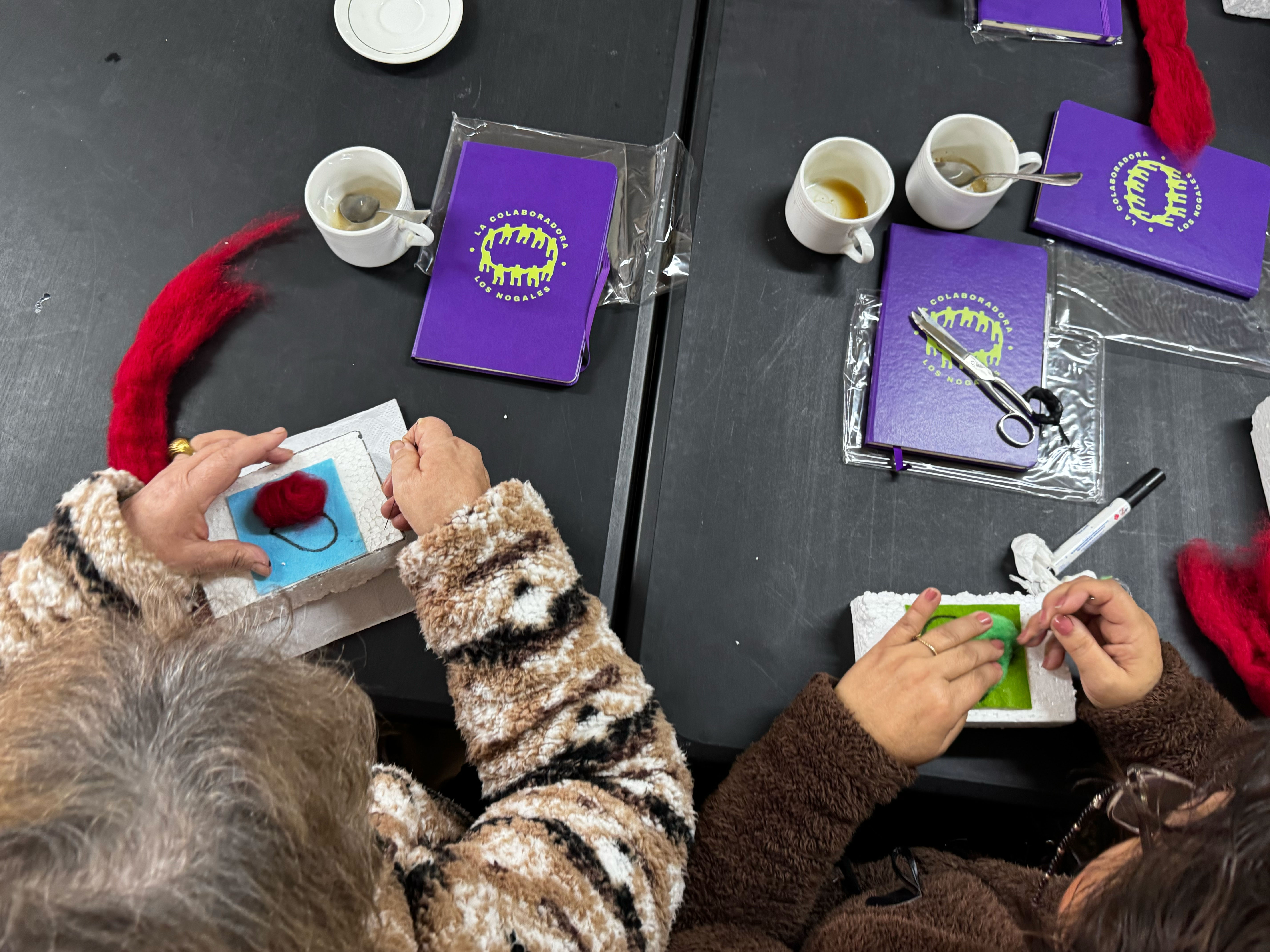
Workshops and Community Programming: The Neighborhood Academy was implemented with workshops led by residents themselves in disciplines such as photography, oral memory, literature, crafts, and artistic expression. Additionally, the Collaborative Calendar funded and produced large-scale local events, including the Encuentro Cuequero in memory of Víctor Jara, song festivals, and musical theater productions.
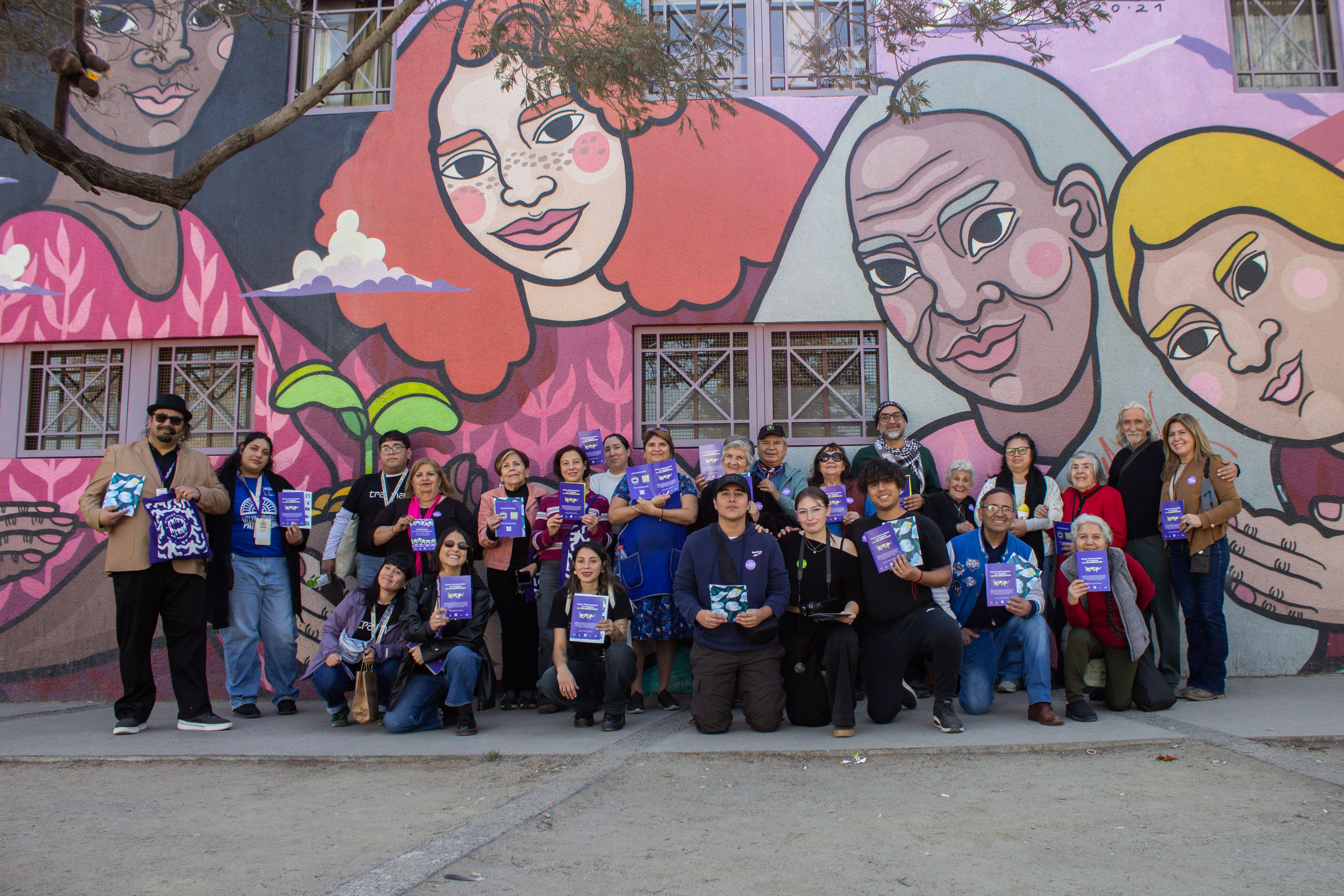
Memory and Identity: Heritage recovery initiatives were activated, including the celebration of Heritage Day, neighborhood storytelling gatherings (mateadas), the production of the podcast Lo que se cuenta en Los Nogales ("Stories Untold in Los Nogales"), and guided heritage routes tracing historical milestones across the neighborhood.
Voices of the Territory: Living Memory and Future Outlook
The impact of these actions went beyond participant turnout, triggering individual paths that now project collectively across the neighborhood. Charlotte Cabarra, a resident of Los Nogales and facilitator of the oral memory project Lo que se cuenta en Los Nogales, details the impact left on the area:
“What motivated me about this project was that ever since I was a girl, I always heard many stories related to Los Nogales. When I started working with oral storytelling and tradition, I realized there are so many stories in our neighborhood that need light and life. I believe this process came to complement what was already happening here and to open up even more possibilities. It shows how necessary it is to keep running these kinds of initiatives because there is immense talent, drive, organization, and community here—something you don't find just anywhere.”
In that same spirit of memory and living heritage, Francisco Moya, community producer of the Heritage Routes, led guided tours that recovered everything from the origins of the neighborhood to key milestones of resistance and human rights:
“What motivated me was memory—the history that cannot be lost. I think this had never been done here before; it was a first, and it makes me feel proud, especially as the neighborhood celebrates its 80th anniversary this year. A small engine was set in motion, and La Colaboradora made me feel prepared, supported in terms of technical, logistical, and production resources. This project planted a seed: after everything we worked on, those of us on the board have to keep working, collaborating, and making it grow.”
Institutional and Technical Balance
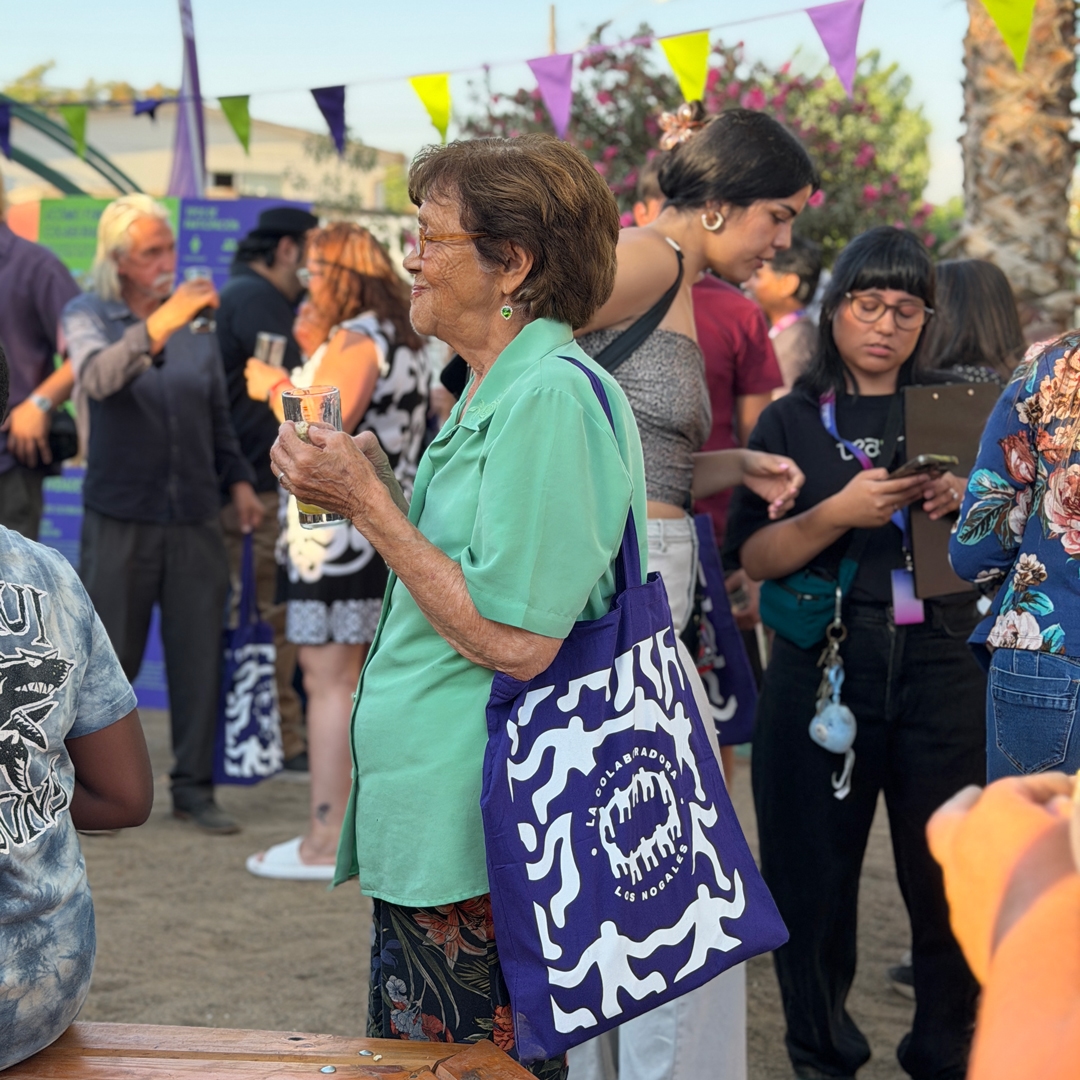
From a public management standpoint, the experience in Los Nogales validated an approach where cultural development plays a role equivalent to urban investment. Carolina Maians, Governance Officer for Revive Estación Central, highlights the reach of this approach:
“One of the primary choices we had as a program to empower the cultural sector was seeking to strengthen the social and cultural fabric not just through isolated individuals, but through the development of cultural agents capable of revitalizing neighborhoods. As a program, we can certainly improve infrastructure, but our main goal is to enable the community to mobilize its own heritage. Heritage isn't formed overnight; it's built day by day, and under this project, that's exactly what was created: living, constant heritage built in community. The most important lesson was seeing diverse voices reach consensus across different cultural domains and trades.”
For the executing team, concluding the consultancy formalizes a horizontal transfer of methodologies. Sebastián Zenteno, Project Manager at Trama, reflects on the articulation achieved in the territory:
“The main challenge was being an external organization, outside the territory. This required bridging the municipality, drawing from the experience of the Revive program, and connecting various local cultural actors—from sports clubs and the local rayuela club to cueca groups, theater troupes, poetry collectives, and independent cultural agents with a strong commitment to local memory. We were able to build bridges between different types of knowledge: from production and cultural management to neighborhood history and advanced craft techniques. We close this stage convinced that these cultural agents will continue on their path, reflecting and strengthening their own territory.”
Methodological Legacy
To guarantee operational continuity without external technical reliance, the project concluded with the formalization of the Autonomous Cultural Management System (SGCA). This structure transfers four key organizational assets to the Collaborative Board and local agents:
Community Governance: The consolidation of the Board as a legitimate deliberative body authorized to set priorities and coordinate local organizations.
Management Tools: Handover of practical tools such as Operating Regulations, the Instructor Manual, and standardized budget matrices for future grant applications and reporting.
Democratic Methodologies: Public call protocols, participatory evaluation via visual voting, and formal conflict-resolution mechanisms.
Space Activation: Coordinated articulation and use of neighborhood centers, primary health clinics, parish facilities, and public spaces within the sector.
The formal conclusion of La Colaboradora leaves behind an active operational and relational structure in Los Nogales, proving that timely methodological transfer turns public programs into lasting local capacities and self-managed community strength.